QUICK ANSWER
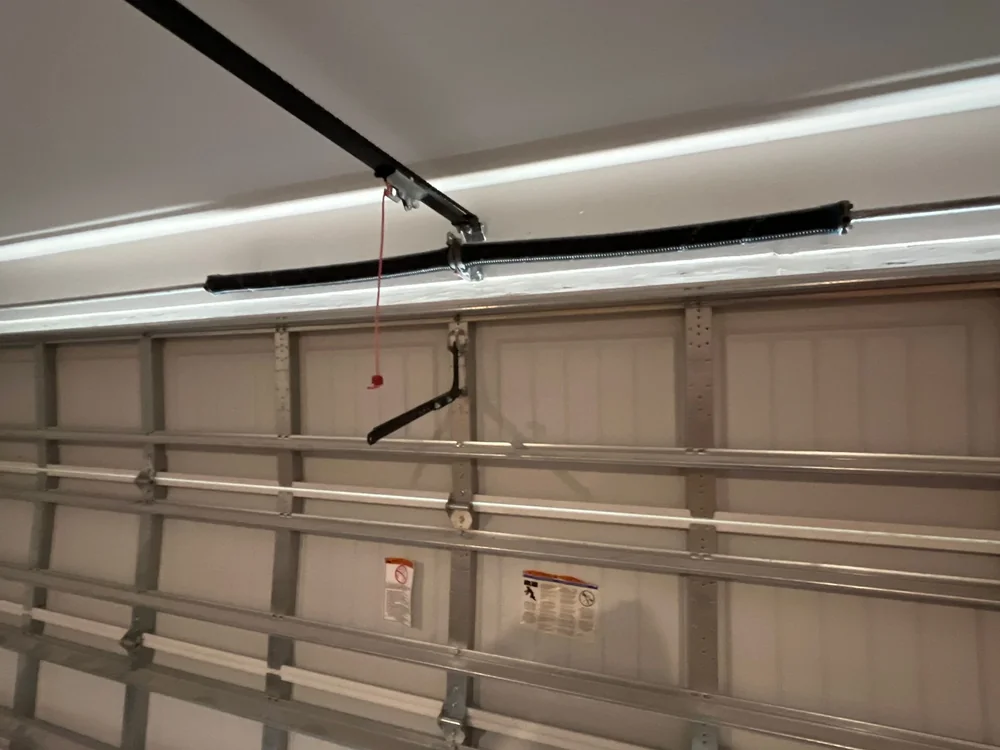
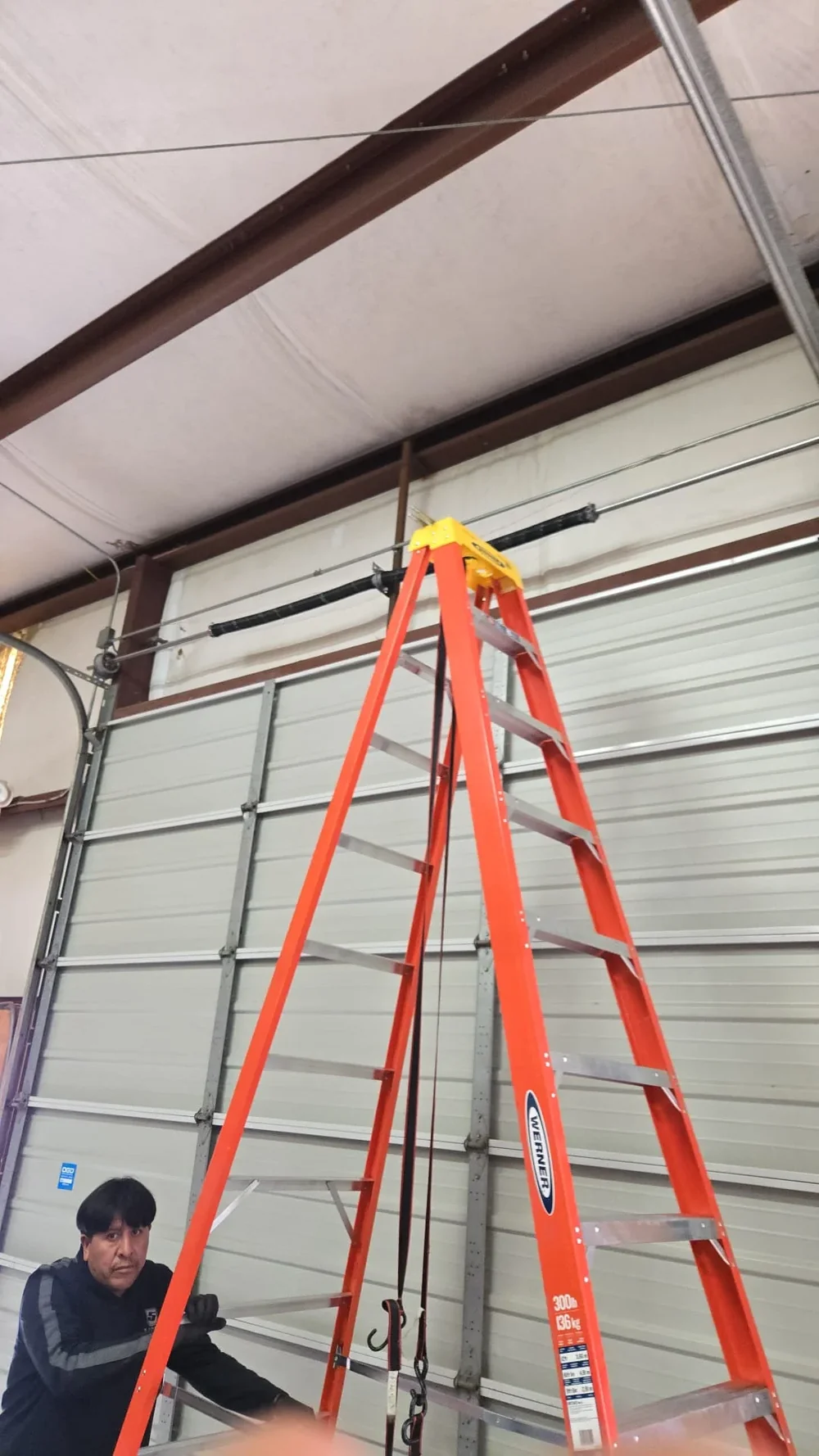
Most noisy garage doors are fixed with new rollers, lubrication, and tightened hardware. Grinding, popping, or banging sounds can also point to worn springs or a tired opener.
A little sound is normal. New or louder noise usually means a part is wearing out.
What the noise tells you
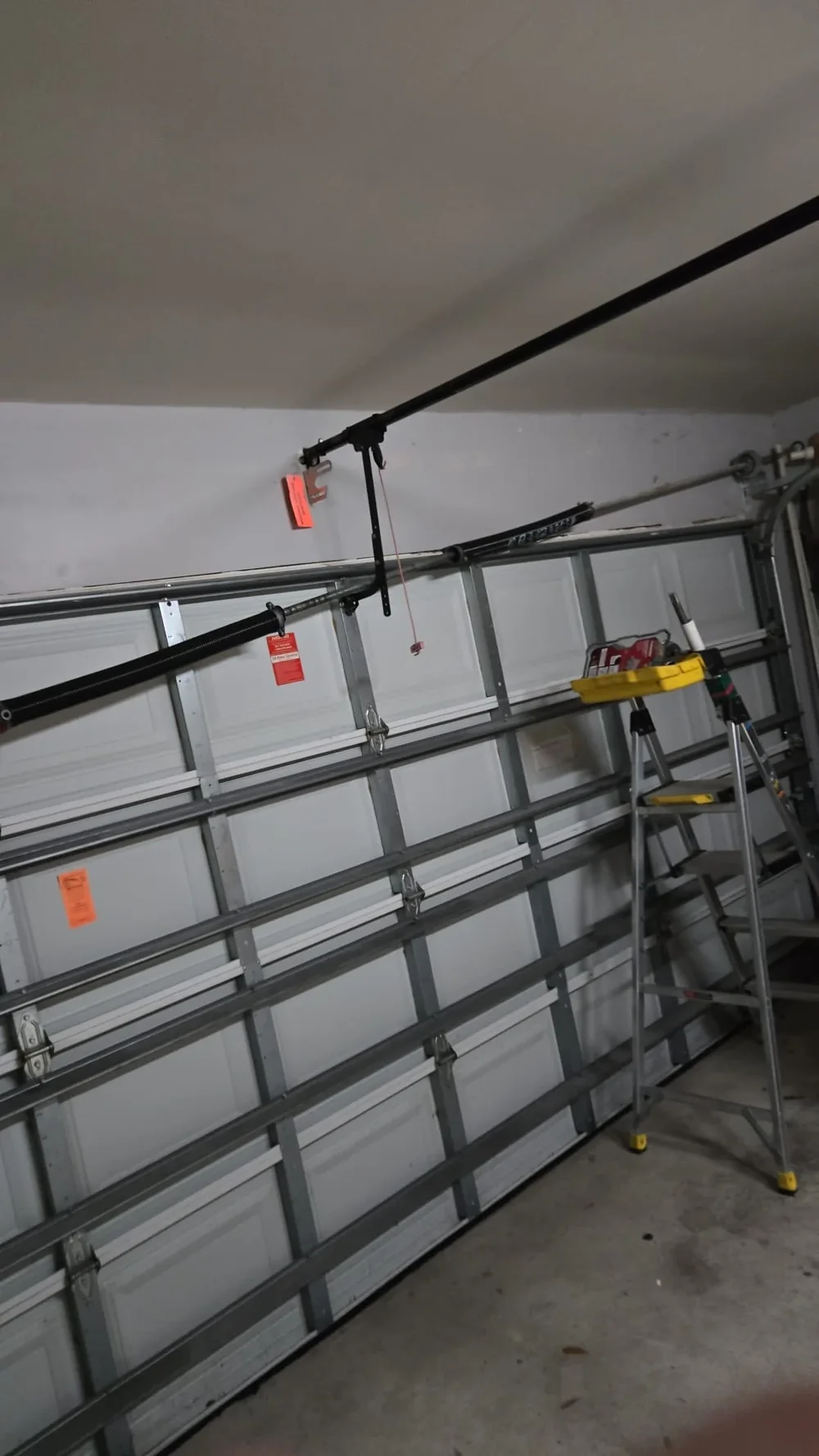
Squeaks: dry hinges and rollers. Rattling: loose hardware or hinges. Grinding: rollers or tracks. Loud vibration from the ceiling: often a chain opener; a belt-drive opener is much quieter.
WHY ORANGE COUNTY CHOOSES ROYALTY
- The name your neighbors recommend. Homeowners across Orange County call Royalty first, and they send their friends.
- The price before the work. A free estimate and a clear price. You pay once the door works and you are happy.
- Local shops close to you. Royalty has shops in Mission Viejo, Dana Point, and Westminster.
Helpful details to share when you call
- Does the sound come from the door or the motor unit?
- Is it a squeak, rattle, pop, or grind?
- Has movement also become rough or uneven?
What can cause the problem?
Wear or looseness
Worn rollers, hinges, and mounting points may rattle or squeak as the door travels. Several sources can contribute at once.
Drive strain or interference
An opener drive or a door catching in its track can produce grinding or popping. Noise alongside erratic movement deserves prompt assessment.
HOW ROYALTY HANDLES IT
At Royalty Garage Door Repair, we tighten, lubricate, and replace worn parts, and tell you if a quieter opener would help.
Request a free estimateQuestions about noisy garage door repair
Is lubricant always the answer?
No. Lubrication does not repair a crack, bent track, or failed bearing. Applying the wrong product or applying it in the wrong place may not help. Follow guidance for the actual equipment and have damage assessed.
Is an existing noise recording useful?
Yes. A recording you already have can help explain when and where the noise occurs. Do not repeatedly run a damaged door simply to create a new recording.